

👁️ Hypertension & Vision Loss: How High Blood Pressure Damages Your Eyes
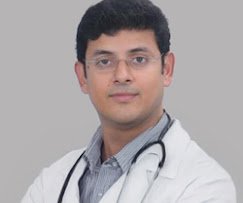
Reviewed by: Dr. Ravi Sishir Reddy, MD (General Medicine)
Last updated: [29-08-26]
The eyes are not just windows to the soul — they are also a direct view into the health of your blood vessels. Hypertension can damage the delicate blood supply of the retina and optic nerve, causing a condition called hypertensive retinopathy. Left unchecked, it can lead to blurred vision, bleeding, and even permanent vision loss. Dr. Ravi Sishir Reddy explains how high blood pressure affects the eyes, the warning signs, and what you can do to protect your vision.
1. How High Blood Pressure Damages the Eye
The retina, the light‑sensitive layer at the back of the eye, receives its blood supply from a network of tiny arterioles. When systemic blood pressure is chronically elevated, these vessels respond by narrowing (vasoconstriction) to protect downstream capillaries. Over time, the sustained high pressure causes structural changes:
- Arteriosclerotic changes: The arteriolar walls thicken and lose elasticity, leading to “copper‑wire” or “silver‑wire” appearance on fundoscopy.
- Arteriovenous (AV) nicking: Stiff arterioles press on crossing venules, causing compression and narrowing — a classic sign of chronic hypertension.
- Breakdown of the blood‑retinal barrier: This leads to leakage of fluid, proteins, and blood into the retinal tissue (exudates, haemorrhages, cotton‑wool spots).
- Optic disc swelling (papilloedema): In severe (malignant) hypertension, pressure in the brain rises, causing the optic nerve head to swell — a sign of hypertensive emergency with high risk of permanent vision loss.
2. Grading of Hypertensive Retinopathy
Doctors use the Keith‑Wagener‑Barker classification (or simplified versions) to describe the severity:
| Grade | Findings | Clinical Significance |
|---|---|---|
| 1 | Mild generalised arteriolar narrowing | Mild, often asymptomatic |
| 2 | Focal arteriolar narrowing, AV nicking | Moderate; indicates chronicity |
| 3 | Retinal haemorrhages (flame‑shaped, dot‑blot), cotton‑wool spots, hard exudates | Active damage; organ injury elsewhere likely |
| 4 | Grade 3 changes + optic disc swelling (papilloedema) | Malignant hypertension; medical emergency |
Higher grades are associated with increased risk of stroke, heart failure, and kidney failure. A retinal exam can often predict systemic vascular damage.
3. Symptoms of Hypertensive Eye Disease
In the early stages, hypertensive retinopathy typically has no symptoms. As damage progresses, patients may experience:
- Blurred or dim vision
- Double vision (diplopia) — due to cranial nerve palsy sometimes associated with hypertension
- Floaters or spots in the visual field (from haemorrhages or exudates)
- Sudden, painless vision loss in one eye (can be due to retinal vein occlusion or retinal artery occlusion, strongly associated with hypertension)
- Headaches with visual disturbance in malignant hypertension
Any sudden change in vision warrants an immediate eye examination and blood pressure check.
4. Other Hypertension‑Related Eye Conditions
- Retinal vein occlusion (RVO): A clot in a retinal vein causes sudden blurring or loss of vision. Hypertension is the most common risk factor.
- Retinal artery occlusion (RAO): A blockage in a retinal artery, often an embolus from a carotid plaque or heart. Painless, sudden vision loss — an ocular stroke.
- Non‑arteritic anterior ischemic optic neuropathy (NAION): Impaired blood flow to the optic nerve, sometimes linked to nocturnal hypotension from over‑treatment or spontaneous dips.
- Hypertensive optic neuropathy: Direct optic nerve damage from swollen discs in malignant hypertension.
5. How Hypertensive Eye Disease Is Detected
- Ophthalmoscopy (fundoscopy): A direct look at the retina with a handheld ophthalmoscope or slit‑lamp biomicroscope. Done by primary care doctors, ophthalmologists, or optometrists.
- Fundus photography: Provides a permanent record to track changes over time.
- Optical coherence tomography (OCT): High‑resolution cross‑sectional images of the retina to assess fluid accumulation, swelling, and macular oedema.
- Fluorescein angiography: Dye‑based test to evaluate retinal blood flow if occlusion is suspected.
Dr. Reddy recommends that everyone with hypertension have a dilated eye examination at diagnosis and periodically thereafter — at least every 1‑2 years, or more frequently if retinopathy is present.
6. Protecting Your Eyes: Managing Hypertension for Vision
- Control blood pressure: Lowering BP to <130/80 mmHg can slow, halt, and sometimes even partially reverse early retinopathy changes.
- Smoking cessation: Smoking compounds the vascular damage from hypertension, dramatically raising the risk of retinal vein occlusion and other eye events.
- Diabetes control: Diabetic retinopathy and hypertensive retinopathy often coexist and synergise; strict glucose control is essential.
- Regular eye exams: The retina is the only place in the body where blood vessels can be directly visualised. Regular checks provide a window into overall vascular health.
- Treat acute emergencies urgently: Malignant hypertension with papilloedema requires immediate hospital admission for controlled BP reduction.
- Avoid sudden BP drops: In patients with chronic hypertension, lowering BP too rapidly can trigger ischemic events in the eye (e.g., NAION). Gradual reduction under medical supervision is key.
Hypertensive eye damage is a powerful reminder that blood pressure affects every organ. The good news is that with consistent treatment, many changes can be stabilised or reversed.
💡 Key Takeaways
- Hypertension damages the retina’s tiny blood vessels, causing hypertensive retinopathy.
- Early stages are asymptomatic; symptoms like blurred vision or floaters indicate advanced damage.
- Grade 4 retinopathy (with papilloedema) is a hypertensive emergency requiring immediate treatment.
- Regular dilated eye exams are essential for everyone with hypertension.
- Good blood pressure control and smoking cessation can protect your vision over the long term.
📋 Medical Disclaimer
This article is for educational purposes only and does not substitute for professional medical advice. All content is reviewed by Dr. Ravi Sishir Reddy. If you experience sudden vision changes, seek immediate medical attention.