

💔 Blood Pressure and Heart Attack: How Hypertension Damages Your Heart
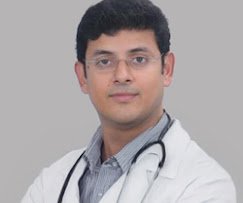
Reviewed by: Dr. Ravi Sishir Reddy, MD (General Medicine)
Last updated: [31-08-26]
High blood pressure is often called the “silent killer,” and nowhere is this more evident than in its role as a leading cause of heart attacks. Hypertension quietly accelerates the buildup of cholesterol‑laden plaques in the coronary arteries, weakens the heart muscle, and can even trigger a sudden rupture of a plaque — leading to a clot that blocks blood flow entirely. Dr. Ravi Sishir Reddy explains how hypertension sets the stage for a heart attack, the warning signs you must never ignore, and the steps you can take to protect your heart.
1. How Does High Blood Pressure Cause a Heart Attack?
A heart attack, or myocardial infarction, occurs when blood flow through one or more coronary arteries is severely reduced or completely blocked. Hypertension contributes through multiple pathways:
- Atherosclerosis acceleration: The constant pounding of high pressure damages the endothelial lining of the coronary arteries. This injury allows LDL cholesterol to enter the vessel wall, forming plaques that narrow the artery over years.
- Plaque rupture: A sudden spike in blood pressure can cause an unstable plaque to rupture. The body tries to heal this rupture by forming a blood clot, which can suddenly block the entire artery — this is the immediate cause of most heart attacks.
- Increased oxygen demand: High blood pressure forces the heart to work harder, increasing its oxygen requirement. If the coronary arteries are narrowed, they cannot deliver enough oxygen, leading to chest pain (angina) and, eventually, tissue death if the demand outpaces supply for too long.
- Left ventricular hypertrophy (LVH): Over time, the heart muscle thickens to cope with the increased load, making it stiffer and more vulnerable to ischemia during a heart attack.
2. Heart Attack Symptoms: What to Look For
Heart attacks do not always present with the classic “Hollywood” chest clutch. Especially in women, the elderly, and people with diabetes, symptoms can be subtle. Common signs include:
- Chest pain, pressure, tightness, or a squeezing sensation in the centre of the chest (lasting more than a few minutes, or that comes and goes).
- Pain that radiates to the left arm, jaw, neck, back, or stomach.
- Shortness of breath, with or without chest discomfort.
- Breaking out in a cold sweat.
- Nausea, vomiting, or indigestion‑like discomfort.
- Lightheadedness or sudden dizziness.
- Unexplained fatigue (particularly in women).
If you or someone you are with experiences these symptoms and has high blood pressure (or even if BP is unknown), call an ambulance immediately. Do not drive yourself to the hospital.
3. How Much Does Hypertension Increase Heart Attack Risk?
The numbers are stark: having hypertension doubles to triples your risk of having a heart attack compared to someone with normal blood pressure. Every 20 mmHg increase in systolic pressure and 10 mmHg increase in diastolic pressure roughly doubles the risk of dying from a heart attack or stroke. The good news is that reducing your systolic BP by just 10 mmHg can lower your risk of a major coronary event by about 20%.
This is why treating hypertension — even if you feel fine — is one of the most powerful things you can do to prevent a heart attack.
4. What to Do If You Suspect a Heart Attack
- Call an ambulance immediately. Do not wait to see if the pain goes away. Time is muscle — the sooner the blocked artery is opened, the less heart damage occurs.
- Stop all activity. Sit or lie down while waiting for help.
- If prescribed, take nitroglycerin as directed by your doctor. Do not take someone else's medication.
- Chew an aspirin (325 mg) if you have been advised to do so and are not allergic. Aspirin helps prevent the clot from growing. However, do not take aspirin if you have been told to avoid it or if you have a bleeding disorder.
- Do not ignore the symptoms because you are afraid of embarrassment. It is always better to be evaluated and find out it was something else than to suffer permanent heart damage.
5. Preventing a Heart Attack When You Have Hypertension
- Keep your blood pressure under 130/80 mmHg: This is the single most effective prevention step. Take medications as prescribed, every day, even if you feel well.
- Adopt a heart‑healthy diet: The DASH or Mediterranean diet — rich in vegetables, fruits, whole grains, and healthy fats — lowers both BP and cholesterol.
- Exercise regularly: 150 minutes per week of moderate activity (brisk walking, cycling) strengthens the heart and lowers BP.
- Quit smoking: Tobacco damages blood vessels and dramatically increases the risk of a heart attack, especially when combined with hypertension.
- Control cholesterol and diabetes: These conditions multiply the damage from hypertension. Get your lipids and HbA1c checked regularly.
- Manage stress: Chronic stress raises BP and can trigger acute events. Mindfulness, adequate sleep, and social support are protective.
- Know your numbers: Regularly monitor your BP at home and bring the log to your doctor visits.
Dr. Reddy emphasises that preventing a first heart attack is the goal — but if you've already had one, strict blood pressure control is even more critical to prevent a second.
💡 Key Takeaways
- Hypertension accelerates atherosclerosis, plaque rupture, and increases cardiac oxygen demand — all leading to heart attacks.
- Heart attack symptoms include chest pressure, pain radiating to the arm/jaw, shortness of breath, cold sweat, and nausea.
- Hypertension doubles to triples heart attack risk; lowering systolic BP by 10 mmHg reduces coronary events by 20%.
- If you suspect a heart attack, call an ambulance immediately — do not drive yourself.
- Controlling BP, eating a heart‑healthy diet, exercising, and not smoking are the pillars of prevention.
📋 Medical Disclaimer
This article is for educational purposes only and does not substitute for professional medical advice. All content is reviewed by Dr. Ravi Sishir Reddy. If you suspect a heart attack, call emergency services immediately.